

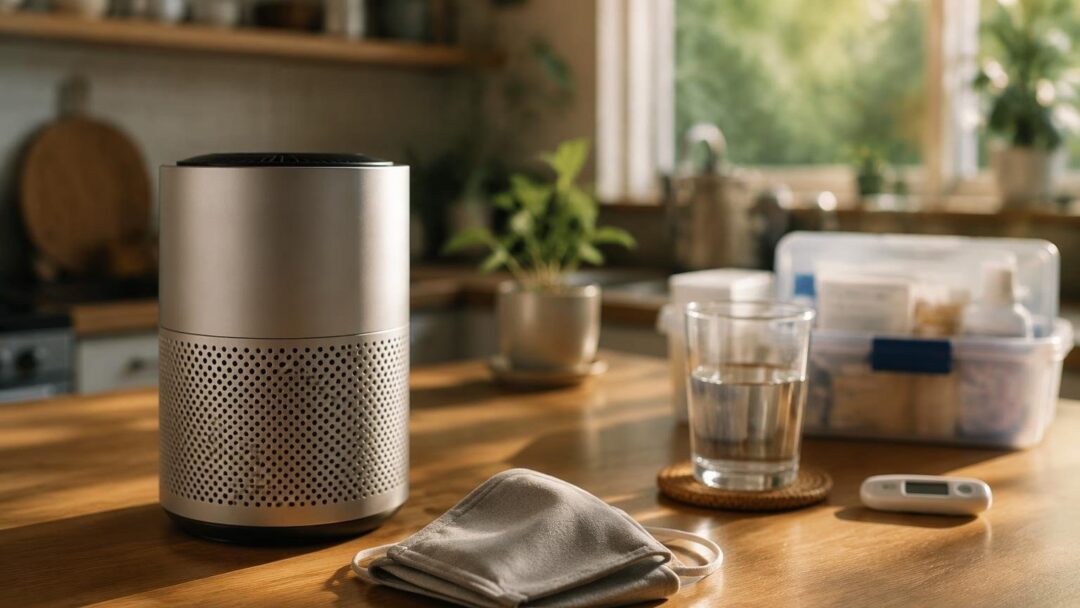
Wildfire smoke and poor air quality are significant concerns for families, particularly those with sensitive groups such as children, older adults, and pets. Air Quality Index (AQI) is a measure of the level of air pollution in a given area, and it is essential to understand its basics to take necessary precautions. The AQI takes into account five major air pollutants: particulate matter, ozone, nitrogen dioxide, carbon monoxide, and sulfur dioxide.
When it comes to protecting yourself and your family from wildfire smoke, mask selection is crucial. Not all masks are created equal, and it is essential to choose a mask that can filter out at least 95% of particulate matter. Look for masks with a N95 or FFP2 rating which are designed to capture 95% of particles as small as 0.3 microns.
Creating Clean Rooms
Creating a clean room in your home can be a safe haven from poor air quality. HEPA (High Efficiency Particulate Air) filters are an effective way to remove particulate matter from the air. You can also use DIY solutions such as activating a fan with a filter or using a portable air purifier. When creating a clean room, it is essential to seal all windows and doors to prevent outside air from entering.
Family Plan
A family plan is essential for preparing for wildfire smoke and poor air quality. Sensitive groups such as children, older adults, and pets require special attention. It is crucial to monitor their health closely and take necessary precautions to prevent exposure to poor air quality. A family plan should also include a go-bag checklist which should include essential items such as masks, medications, and important documents.
Go-Bag Checklist
- Masks (N95 or FFP2 rated)
- Medications and essential medical equipment
- Important documents (e.g., insurance policies, identification)
- Phone chargers and backup power sources
- Food and water
Forecast Resources
Staying informed about air quality forecasts is essential for preparing for wildfire smoke and poor air quality. Check your local air quality index regularly, and sign up for air quality alerts from your local government or weather service. You can also use mobile apps such as AirNow or PurpleAir to monitor air quality in your area.
In most cases, taking precautions and being prepared can help minimize the risks associated with wildfire smoke and poor air quality. By understanding the basics of AQI, selecting the right masks, creating clean rooms, and having a family plan in place, you can help keep your family safe and healthy.


