

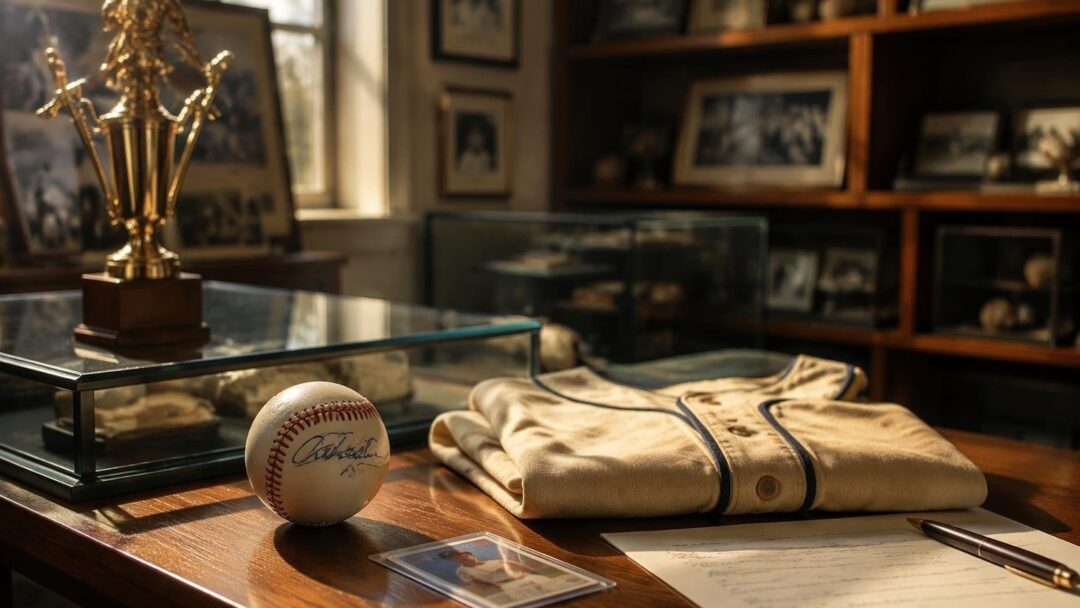
Sports memorabilia collection and valuation is a complex and fascinating field that requires a deep understanding of various factors, including gradingauthentication and provenance. For those new to the world of sports memorabilia, it can be overwhelming to navigate the various aspects of collecting and valuing these unique items.
Generally, sports memorabilia refers to any item related to a sport or athlete that holds sentimental or monetary value. This can include autographed jerseysgame-used equipment and vintage photographs. To determine the value of a sports memorabilia item, collectors must consider several factors, including its rarity, condition, and historical significance.
Grading and Authentication
When it comes to sports memorabilia, grading and authentication are crucial steps in determining an item’s value. Grading refers to the process of evaluating an item’s condition, while authentication verifies its legitimacy. Reputable third-party authentication services, such as Professional Sports Authenticator (PSA) and James Spence Authentication (JSA) provide a level of assurance that an item is genuine and not counterfeit.
Provenance and Valuation
Provenance refers to the ownership history of an item, which can significantly impact its value. Items with a clear and documented provenance are generally more valuable than those without. To determine the value of a sports memorabilia item, collectors can consult price guidesauction records and expert appraisals. A valuation checklist can also be helpful in evaluating an item’s condition, rarity, and historical significance.
Storage and Preservation
To maintain the value and condition of sports memorabilia, proper storage and preservation are essential. Collectors should store items in a cool, dry environment, away from direct sunlight and moisture. Acid-free materials and UV-filtering glass can help prevent damage and deterioration.
Avoiding Counterfeits
Unfortunately, counterfeit sports memorabilia is a significant problem in the industry. To avoid purchasing fake items, collectors should only buy from reputable dealers and authenticate items through third-party services. A certificate of authenticity can provide an added layer of assurance.
Starter Budget Tiers and Insurance
For those new to collecting sports memorabilia, it’s essential to establish a starter budget and consider insurance options. A beginner’s budget can range from a few hundred to several thousand dollars, depending on the type and rarity of items. As a collection grows in value, insurance can provide financial protection against loss or damage.


