

Subway and transit safety is a critical concern for commuters who use these systems daily. Personal security is essential to ensure a safe and comfortable travel experience. Generally, most transit systems have measures in place to prevent accidents and crimes, but it is also important for individuals to take responsibility for their own safety.
Typically, situational awareness is key to staying safe in public places, including subways and transit stations. This involves being mindful of one’s surroundings, including the people and objects nearby. By being aware of potential hazards, individuals can take steps to avoid or mitigate them.
Bag Placement and Escape Routes
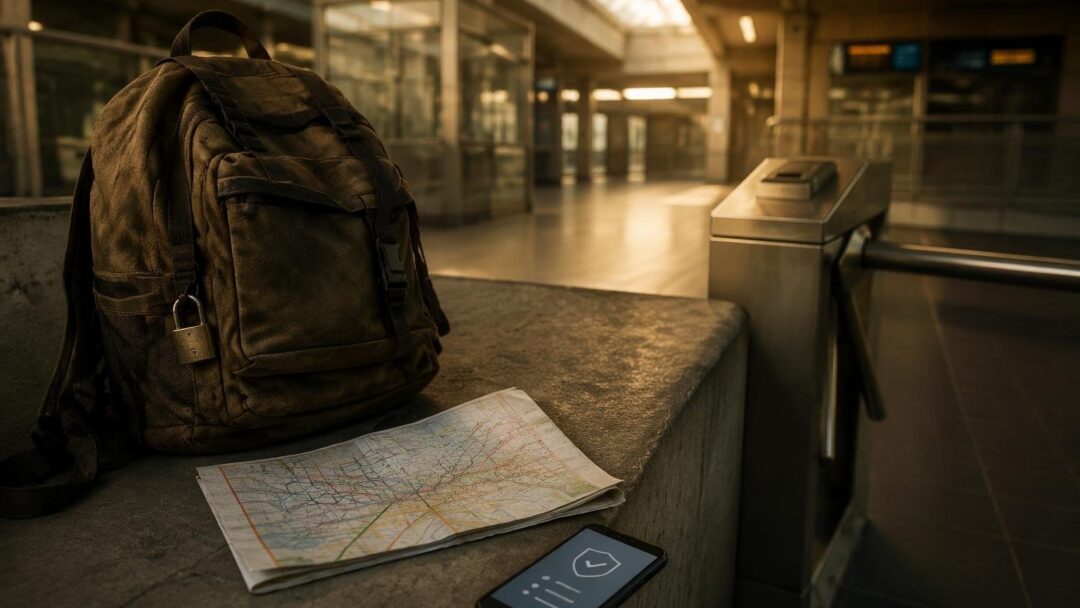
When using public transportation, it is essential to keep a close eye on personal belongings, such as bags and wallets. Bag placement is crucial, as leaving a bag unattended can make it an easy target for thieves. Additionally, knowing the escape routes in case of an emergency is vital. Most transit stations have clearly marked exit signs, and individuals should take note of these when entering the station.
In the event of an emergency, such as someone falling on the tracks, it is essential to know what to do. Bystander intervention can be crucial in preventing accidents and saving lives. If someone falls on the tracks, individuals should immediately alert the station staff or emergency services. Generally, the best course of action is to stay calm and follow the instructions of the authorities.
Tools and Habits for Safe Travel
There are several tools and habits that can help individuals stay safe while using public transportation. These include using a money belt or a secure bag, keeping valuables close, and being mindful of surroundings. Additionally, avoiding distractions, such as using headphones or playing games, can help individuals stay aware of their environment.
By following these practical tips and being mindful of their surroundings, individuals can significantly reduce their risk of becoming a victim of crime or accident while using subways and transit systems. Generally, a combination of situational awarenessbystander intervention and personal responsibility can help ensure a safe and comfortable travel experience.


