

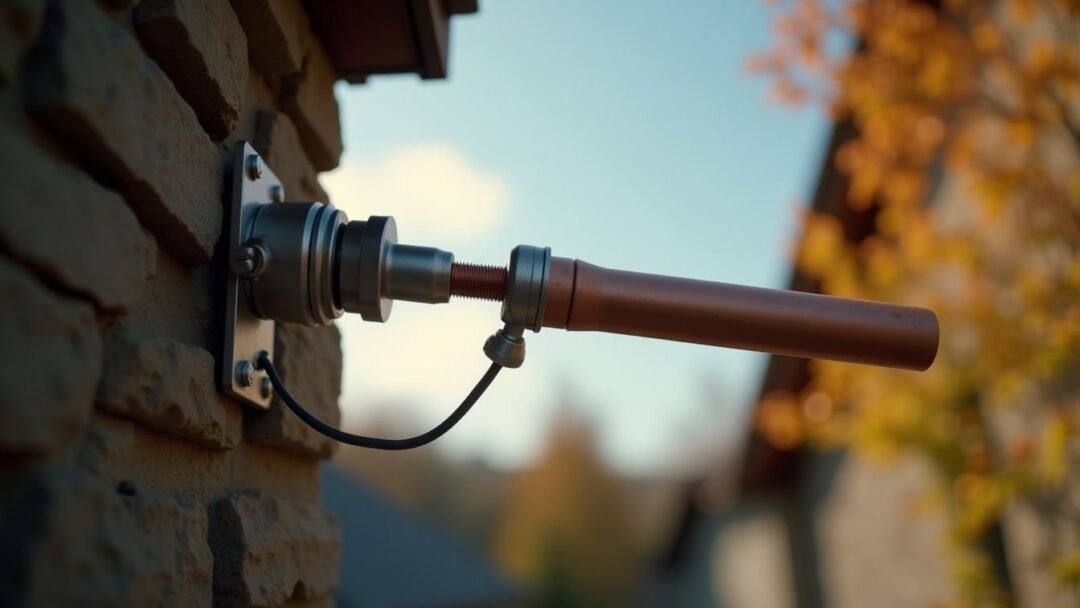
Home lightning protection refers to the measures taken to prevent or minimize damage to a home and its occupants from lightning strikes. Lightning can cause significant damage to a home’s structure, electrical systems, and appliances, as well as pose a risk to the safety of those inside. Generally, lightning protection systems are designed to provide a safe path for the electrical discharge to follow, thereby protecting the home and its occupants.
The relevance of home lightning protection cannot be overstated, as lightning strikes can occur at any time and cause devastating consequences. Typically, the damage caused by lightning can be attributed to the electrical discharge, which can travel through a home’s electrical systems, plumbing, and other conductive materials. In most cases, the installation of a lightning protection system can significantly reduce the risk of damage and ensure the safety of those inside.
This article will provide a comprehensive overview of home lightning protection, including the layers of protection, inspection checklists, installation tips, and when to call a licensed electrician. The cost ranges and common myths associated with home lightning protection will also be discussed.
Layers of Protection
There are several layers of protection that can be implemented to safeguard a home against lightning strikes. The first layer of protection is grounding which involves connecting the home’s electrical systems to a grounding system. This provides a safe path for the electrical discharge to follow, thereby preventing damage to the home and its occupants. Typically, a grounding system consists of a network of conductive materials, such as copper rods, that are driven into the ground to provide a path for the electrical discharge.
The second layer of protection is whole-home surge protection which involves installing a device that can absorb or divert the electrical discharge. Generally, a whole-home surge protector is installed at the main electrical panel and can provide protection for the entire home. In most cases, a whole-home surge protector can be installed by a licensed electrician and can provide a high level of protection against lightning strikes.
The third layer of protection is device-level safeguards which involve installing surge protectors on individual appliances and devices. Typically, surge protectors can be installed on appliances such as computers, televisions, and refrigerators, and can provide an additional layer of protection against lightning strikes. In most cases, surge protectors can be purchased at a hardware store or home improvement center and can be installed by the homeowner.
Inspection Checklists
Regular inspections are essential to ensure that a home’s lightning protection system is functioning properly. Typically, a licensed electrician can perform an inspection and provide a report on the condition of the system. The following is a list of items that should be included in an inspection checklist:
- Grounding system Verify that the grounding system is properly installed and functioning.
- Whole-home surge protector Verify that the whole-home surge protector is properly installed and functioning.
- Device-level safeguards Verify that surge protectors are installed on individual appliances and devices.
Installation Tips
When installing a lightning protection system it is essential to follow proper installation tips to ensure that the system is functioning properly. Generally, a licensed electrician should be hired to install the system, as they have the necessary training and experience. The following are some installation tips to keep in mind:
- Hire a licensed electrician A licensed electrician has the necessary training and experience to install a lightning protection system properly.
- Follow manufacturer instructions The manufacturer’s instructions should be followed carefully to ensure that the system is installed correctly.
- Test the system The system should be tested after installation to ensure that it is functioning properly.
Cost Ranges and Common Myths
The cost of a lightning protection system can vary depending on the type and complexity of the system. Generally, the cost of a lightning protection system can range from a few hundred to several thousand dollars. In most cases, the cost of the system is worth the investment, as it can provide a high level of protection against lightning strikes. There are also several common myths associated with lightning protection systems including the myth that lightning strikes are rare and that a lightning protection system is not necessary. However, lightning strikes can occur at any time and can cause devastating consequences, making a lightning protection system a necessary investment for any homeowner.


