

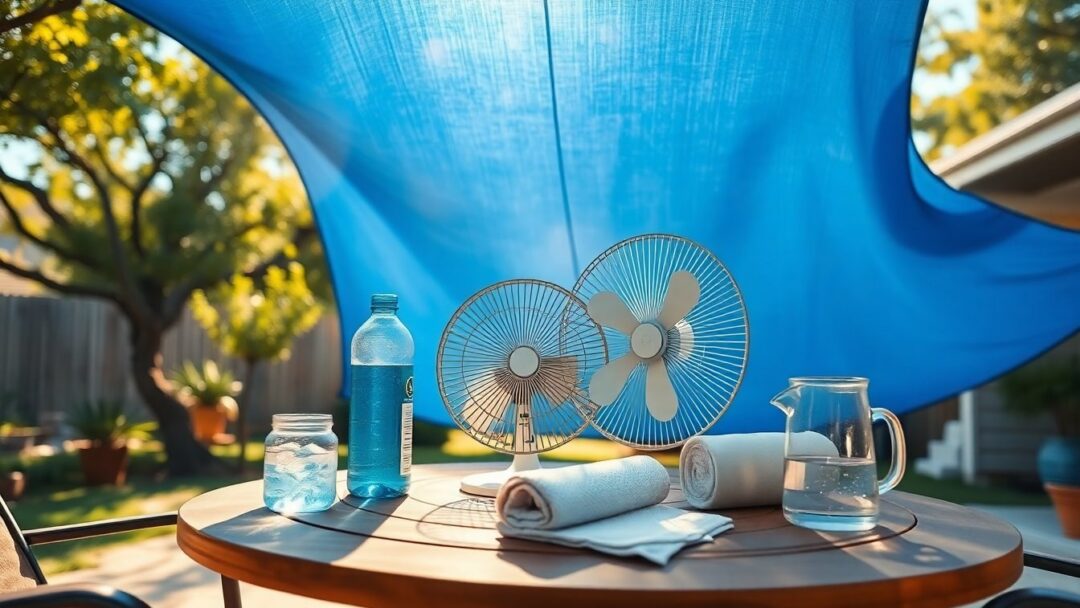
Surviving the intense heat in Texas requires a combination of hydrationshade and smart plans. Generally, the heat in Texas can be extreme, with temperatures often reaching over 100 degrees Fahrenheit. Typically, the best way to stay safe is to stay hydrated by drinking plenty of water and electrolyte-rich fluids.
It’s also essential to stay in the shade as much as possible, especially during the hottest part of the day. This can be achieved by staying indoors, using umbrellas or canopies or seeking shade under trees or other shaded areas. In most cases, it’s also a good idea to wear light-colored and loose-fitting clothing to help keep cool.
Hydration Schedules
A well-planned hydration schedule is crucial for staying safe in the heat. Typically, it’s recommended to drink at least eight glasses of water per day, and more if you’re physically active or spending time outdoors. It’s also a good idea to drink electrolyte-rich fluids, such as sports drinks, to help replace lost salts and minerals.
Cooling Strategies
There are several cooling strategies that can help keep you safe in the heat. Generally, the most effective way to cool down is to take a cool shower or bath. You can also use cooling packs or cold compresses to help lower your body temperature. In most cases, it’s also a good idea to use fans or air conditioners to help circulate cool air.
Home Retrofits
There are several home retrofits that can help keep your home cool and safe during the hot summer months. Typically, the most effective way to cool your home is to use window shades or awnings to block out the sun’s rays. You can also use insulation to help keep your home cool, and seal any gaps or cracks in your windows and doors to prevent hot air from entering.
Risks for Outdoor Workers, Athletes, Pets, and Vulnerable Neighbors
There are several groups of people who are at a higher risk of heat-related illnesses, including outdoor workersathletespets and vulnerable neighbors. Generally, these groups are more susceptible to heat stress due to their increased exposure to the heat or their physical condition. It’s essential to take extra precautions to protect these groups, such as providing shade and cooling measures, and monitoring their health closely.


